
Pad printing inks
Pad printing ink has to match both the item and the production method, otherwise adhesion, drying and print clarity start giving trouble quite quickly. We supply solvent and two part ink systems for South African branding shops printing onto plastics, coated metal, glass and fabric labels.
Ink systems for real production work
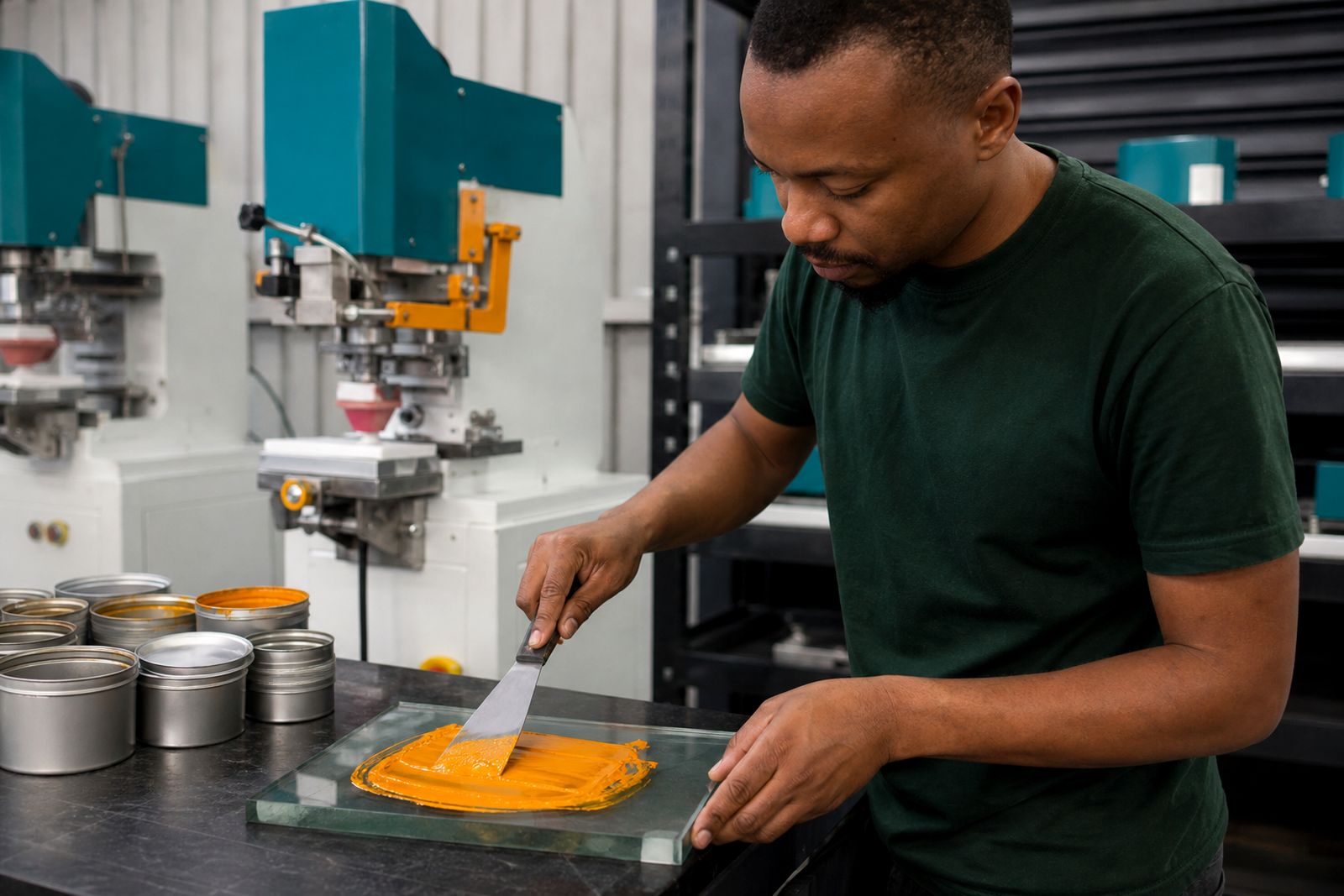
Our ink range covers one component solvent inks and two part systems for harder surfaces where extra chemical and scratch resistance is needed. In a pad printing setup the ink is only one part of the job, but it affects transfer, edge definition, drying speed and whether the print holds after handling, washing or rubbing.
For pens, promotional gifts and many moulded plastic parts, a solvent ink may be the correct starting point if the substrate accepts it well. For coated metal, glass and selected rigid plastics, a two part mix often gives a firmer bond and better wear performance. Fabric label work can also call for a specialist formulation depending on the coating and the way the finished label will be sewn into garments.
- Solvent inks for common promotional plastics and coated parts
- Two part inks for higher adhesion and tougher service conditions
- Colour matching across standard branding shades where the substrate allows it
- Related thinners, retarders and hardeners to suit the print cycle
Substrates, sizes and working limits
Ink is selected by substrate first, then by the shape of the part, the print area and the drying conditions in the shop. A mug, a pen barrel and a woven label may all take a logo, but the surface energy and curing behaviour are very different. We supply inks in practical container sizes for testing, short production runs and regular daily use.
Container options usually start with small trial quantities and move up to larger workshop sizes for repeat jobs. Exact pack sizes depend on the ink family. Two part systems have a pot life once mixed, so they are not ideal for operators who only print a few pieces now and then and leave mixed ink standing for long periods.
- Best suited to plastics such as ABS, SAN and treated polypropylene where adhesion has been checked
- Suitable for coated metal parts, aluminium items and selected lacquered surfaces
- Suitable for glass and ceramic-type drinkware where the correct system and curing method are used
- Used on fabric labels only after a sample test on the actual label stock
- Less suitable on oily, untreated low-energy plastics or heavily textured surfaces
- Not a cure-all for every unknown item brought in from mixed batches
When an ink works well, and when it does not
Pad printing can give a clean mark on small curved or awkward parts, but the ink still needs a stable surface. On promotional pens and giveaway items, good results depend on consistent moulding, clean handling and an ink that flashes off at the right rate for the workshop temperature. In Midrand, summer heat can shorten open time while winter mornings may slow transfer and drying.
Two part inks are often chosen where items are handled often, packed tightly or exposed to cleaning chemicals. They are less forgiving if the mixing ratio is ignored, and leftover mixed ink cannot just be poured back into the tin. On glass and coated bottles, test printing matters because one outer coating can behave very differently from the next, even when the item looks the same to the eye.
If you are printing public-facing drinkware, labels or caps for resale, we would rather assess the actual sample than guess from a product photo. That saves wasted cliches and wasted setup time, and usually prevents the common mistake of choosing ink by colour card only.
Workshop conditions and site needs
These inks are used with pad printing machines in a clean, ventilated work area. Solvent balance changes with room temperature, airflow and how fast the operator is cycling the machine. A shop with strong cross-draughts near roller doors may need different thinning from a closed print room.
You do not need a large industrial site to run these inks, but you do need sensible handling conditions. Containers should stay sealed when not in use, mixing should be measured properly and trial sheets or sample parts should be kept nearby for approval before a full run starts.
- Stable workbench or machine stand close to the printer
- Good ventilation for solvent handling
- Clean measuring tools for thinner and hardener
- Storage away from direct sun and excessive heat
- Sample parts available for adhesion and rub testing
Care, storage and daily handling
Ink that is looked after properly gives more predictable colour and transfer. Lids must be kept clean so tins reseal properly, and thinning should be recorded per job so repeat runs do not start from guesswork. Operators should stir settled pigment thoroughly before use. A tin that has stood for a while can look usable on top while the body of the colour is still sitting at the bottom.
For two part systems, mix only what the shift is likely to consume. Once the pot life is reached the ink may thicken, lose transfer quality or cure poorly on the item. Cleaning the cup, cliché area and pad before residue hardens saves a lot of frustration later. In coastal areas such as Durban or Gqeberha, humidity can also affect drying and handling, so storage discipline matters a bit more.
What to send when you ask about ink
When you contact us through our contact form, the most useful starting point is the actual item material, not just the product name from a catalogue. A black promotional pen can be ABS, polypropylene or a coated mixed plastic, and each one can need a different ink route. If you know the print size and whether the item is flat or curved, that helps us point you to the right system.
- The item type, such as pen, mug, cap clip, metal bottle or garment label
- The known material or surface coating
- The print area in millimetres and whether the surface is flat or curved
- Single colour or multi-colour requirement
- Approximate run pattern, for example sample work, short runs or daily production
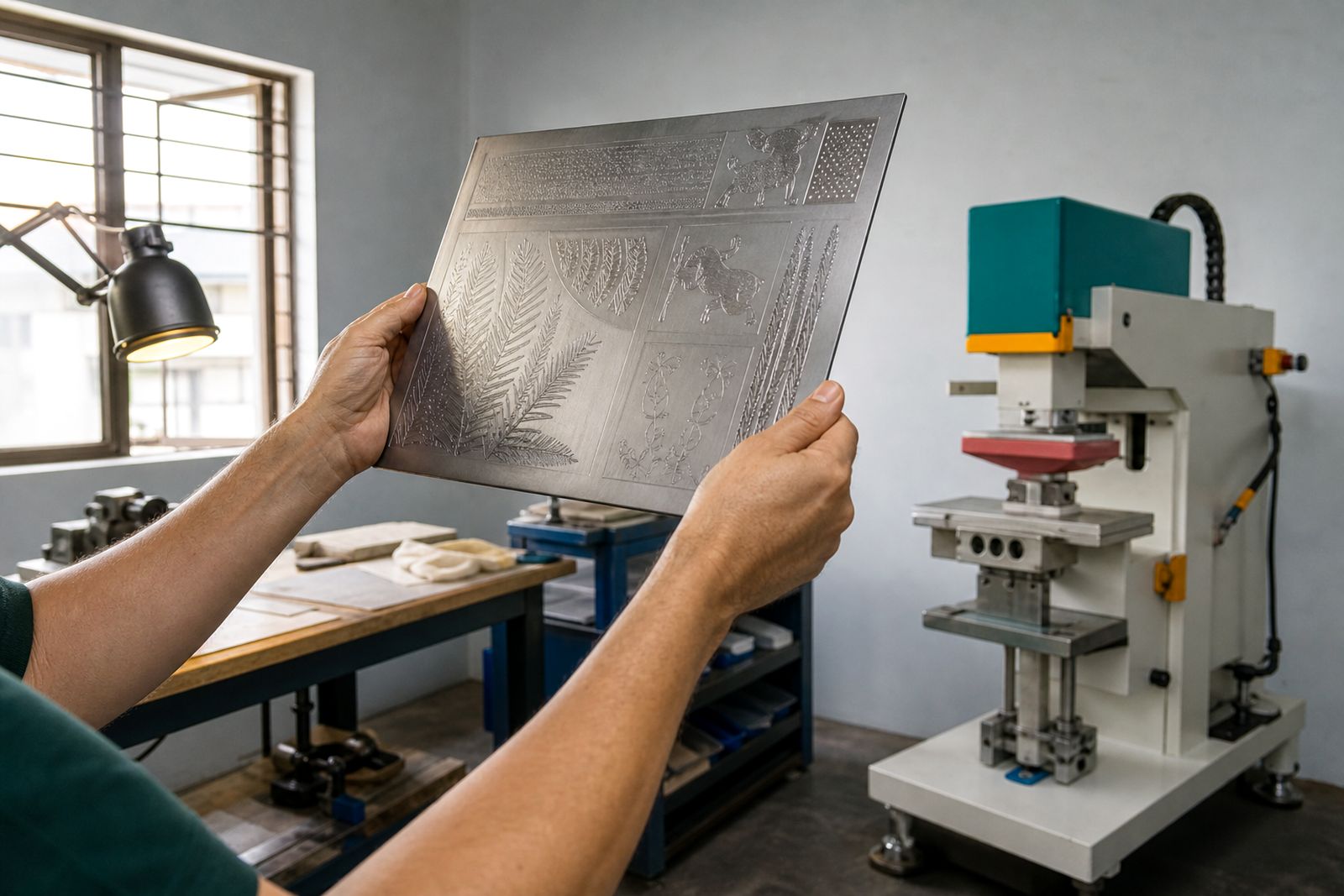
- Whether you need ink only, or ink with pads, cliches and a fixture check
If you are unsure of the substrate, send clear photos and note whether you can provide a sample to the Midrand team. For new items, an adhesion test is the sensible place to start not the last thing checked after artwork has already been prepared.
What our Pad Printing customers say
Verified Google reviews
Questions we get asked
Can one ink print on every promotional item?
No. Surface energy, coatings and end use differ too much. Pens, metal bottles and garment labels often need different ink systems or different pre-testing before production starts.
Do I need a two part ink for all hard surfaces?
Not always. Some rigid plastics print well with a solvent ink, while glass, coated metal and heavy-handling items often benefit from a two part system. The actual sample item is the best guide.
Can you help if I already have a pad printer?
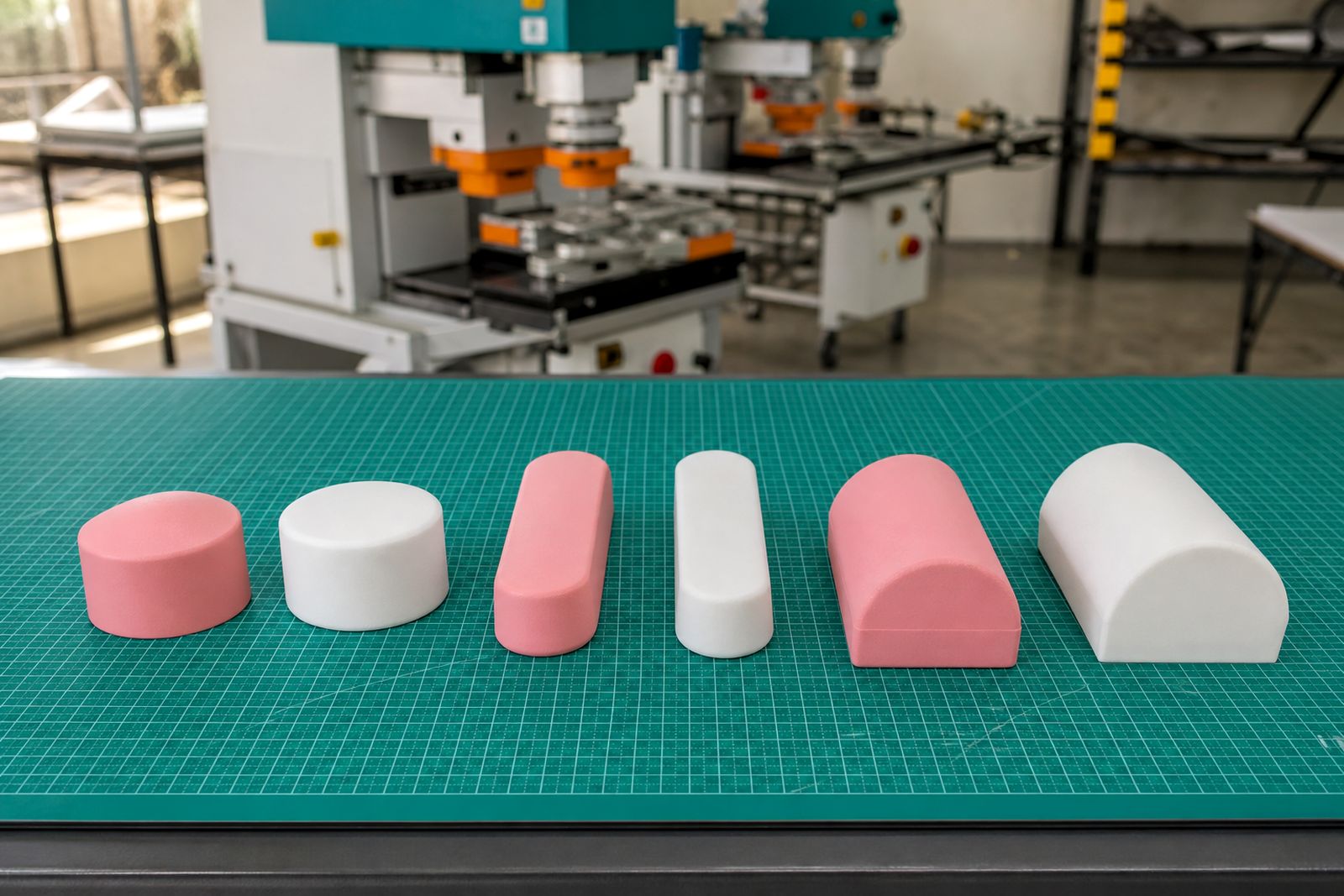
Yes. We supply inks and related consumables for existing pad printing setups, and we can also assist with pads, cliches and fixture requirements where the job needs them.
Tell us about the job
Send sizes, materials and where you are through our contact form, and we will come back with the practical options.
Open the contact form